- VIEWPOINTS Q ON QUALITY & S ON SUSTAINABILITY -

PENA DO CONDE VIEWPOINT

Location: Anllo Santo Estevo
N 42°25’24.9″ / W 7°39’48.9″

Description: Located at A Pena do Conde, this is the first viewpoint overlooking the River Cabe Canyon. It sits near A Barca de Santo Estevo, a hidden gem of great beauty. From here, you can see the mouth of the River Cabe as it meets the River Sil, along with the Santo Estevo Monastery and the railway station.

A winding path down the riverbanks leads to the village of A Barca. This site once housed a small inland port known as A Barca de Santo Estevo, which served as a vital crossing between the provinces of Lugo and Ourense, as well as a route to the neighbouring municipality of Pantón.

The barge crossing service was a major source of revenue for the monks of Santo Estevo de Ribas de Sil, who controlled the area.

At the time, crossing by boat was a perilous endeavour due to strong currents and frequent flooding. Although a royal license to build a bridge was requested under King Philip IV, it was refused. It wasn’t until 1955, following the completion of the reservoir, that a bridge was finally built, though today, a pedestrian footbridge connects Pantón and Sober.
DO XABREGA VIEWPOINT

Location: Arxemil.
N 42.4102476 / W -7. 6331887,17.75 

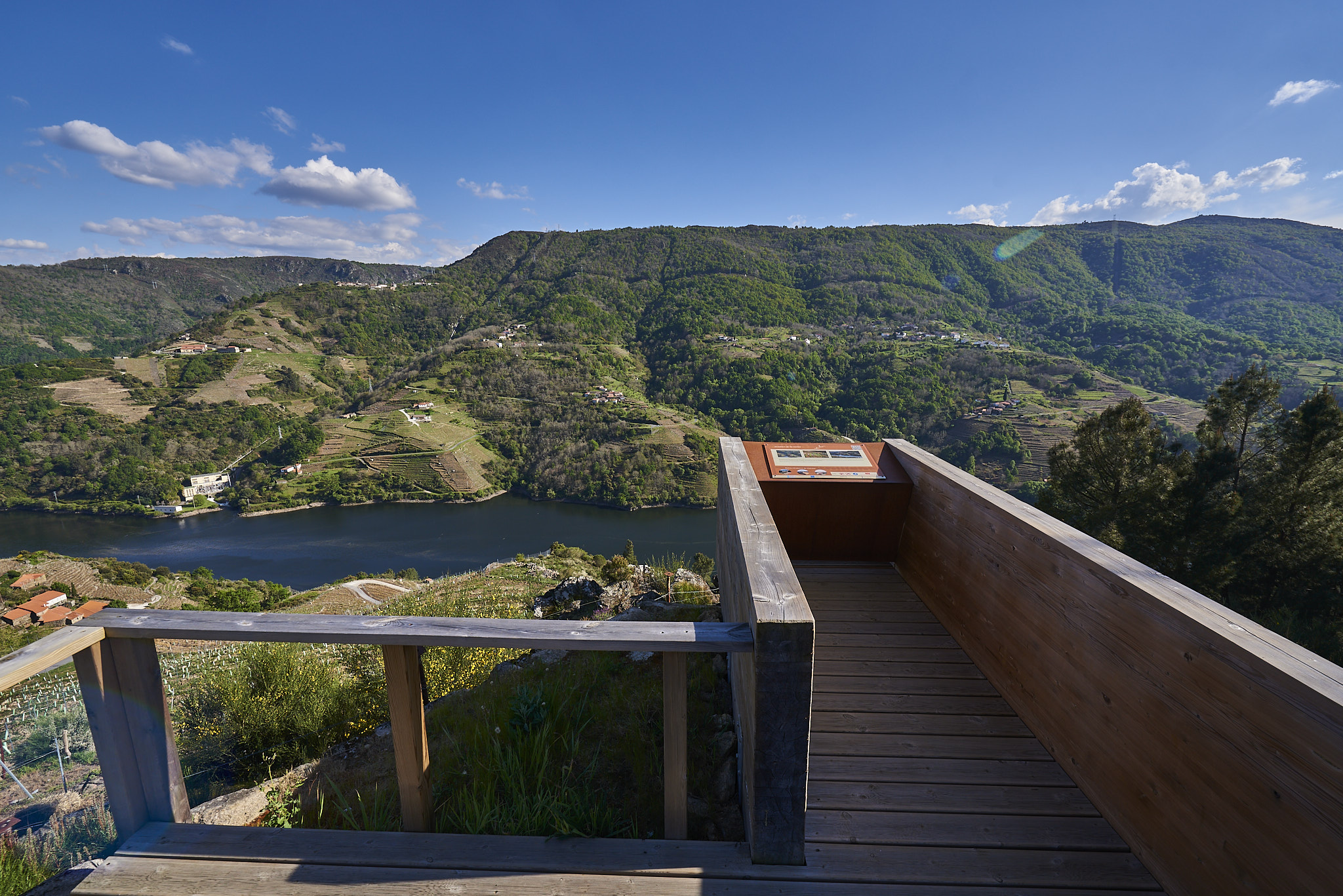
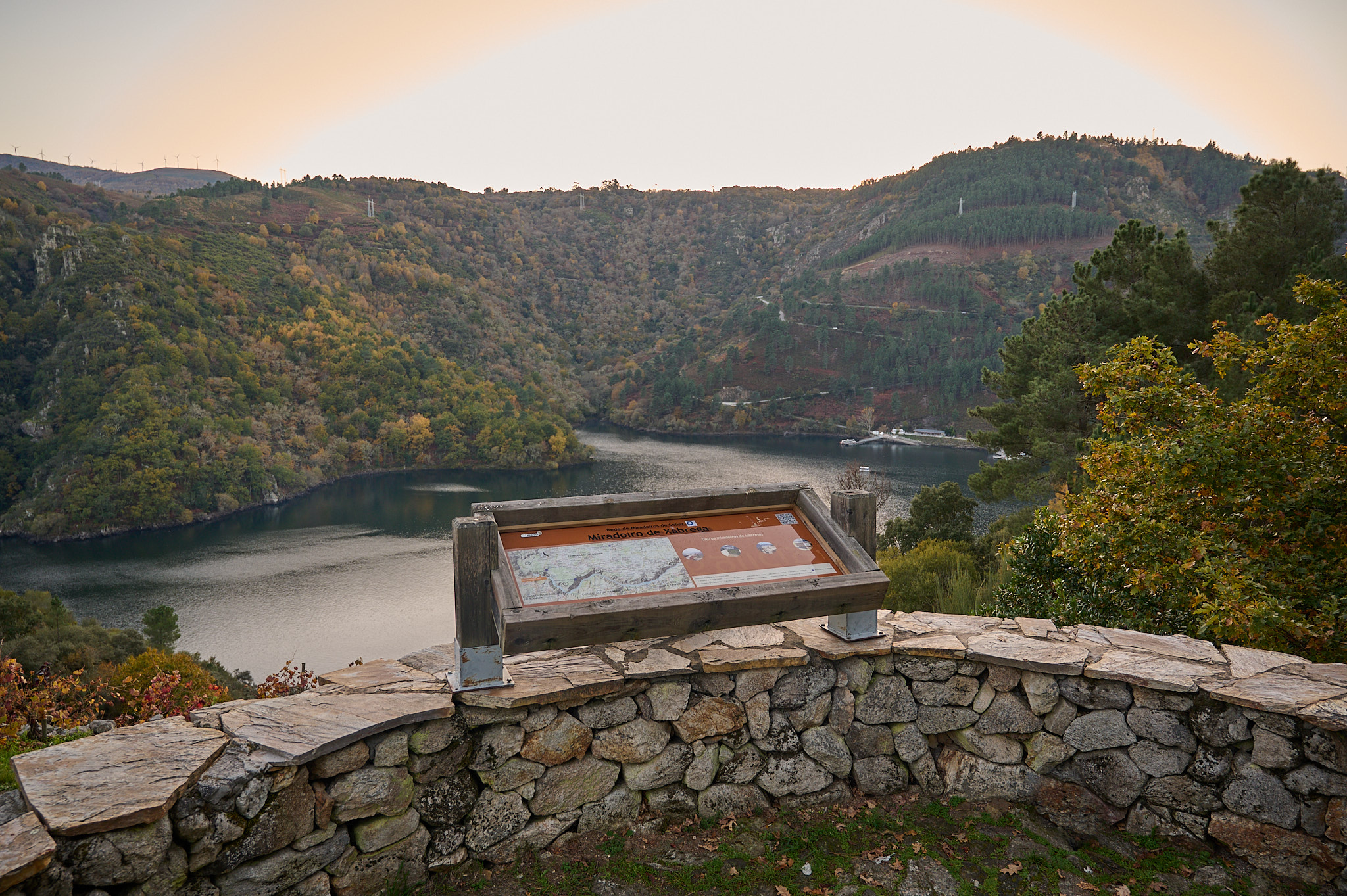
Description: Situated at an elevation of 319 metres on a small hillock that preserves the remains of an Iron-Age settlement. Here you can see the vast valley where the waters of the Santo Estevo reservoir are dammed.

Access is via a flight of steps decorated with contemporary motifs and carvings inspired by the Castro de Xábrega (Xabrega Hillfort), located adjacent to the site. Nearby, there is a group of restored watermills that form part of the PR-G 86 hiking trail, which are well worth a visit.

OS CHANCÍS VIEWPOINT

Location: Os Chancís Jetty
N 42.4099489 / W 7.6333966,17 

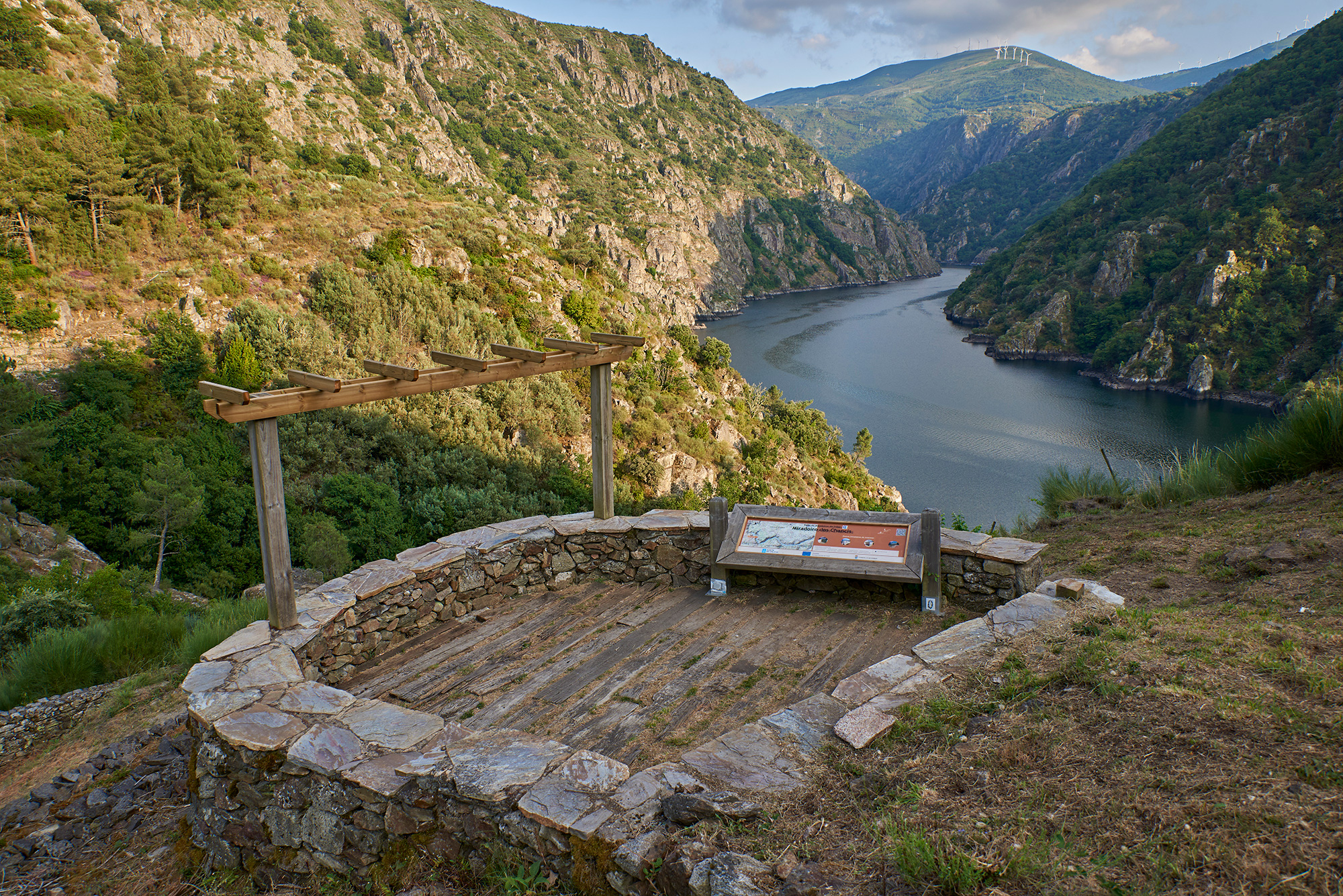
This viewpoint is located by the Os Chancís jetty, at the spot where the River Xabrega (or Camilo) forms a waterfall. There is a car park at the end of the road for those arriving by car o coaches. It’s the main boarding point for Siltrip cruises. To the east, the viewpoint offers vistas of the Sil Canyon and the Santo Estevo reservoir. Across the river lies the municipality of Nogueira de Ramuín and the Santo Estevo jetty, which also serves as a departure point for catamaran trips along the River Sil.

CIVIDADE VIEWPOINT

Location: Bolmente
N 42º 23’ 36’’ N/ W 7º 36’ 54’’ 

In the village of Santa Marta (Bolmente), signs direct visitors to the Cividade and Boqueiriño viewpoints. Being among the highest points in the network, the final 3 km consist of a dirt track; however, it remains accessible by vehicle right up to the entrance.

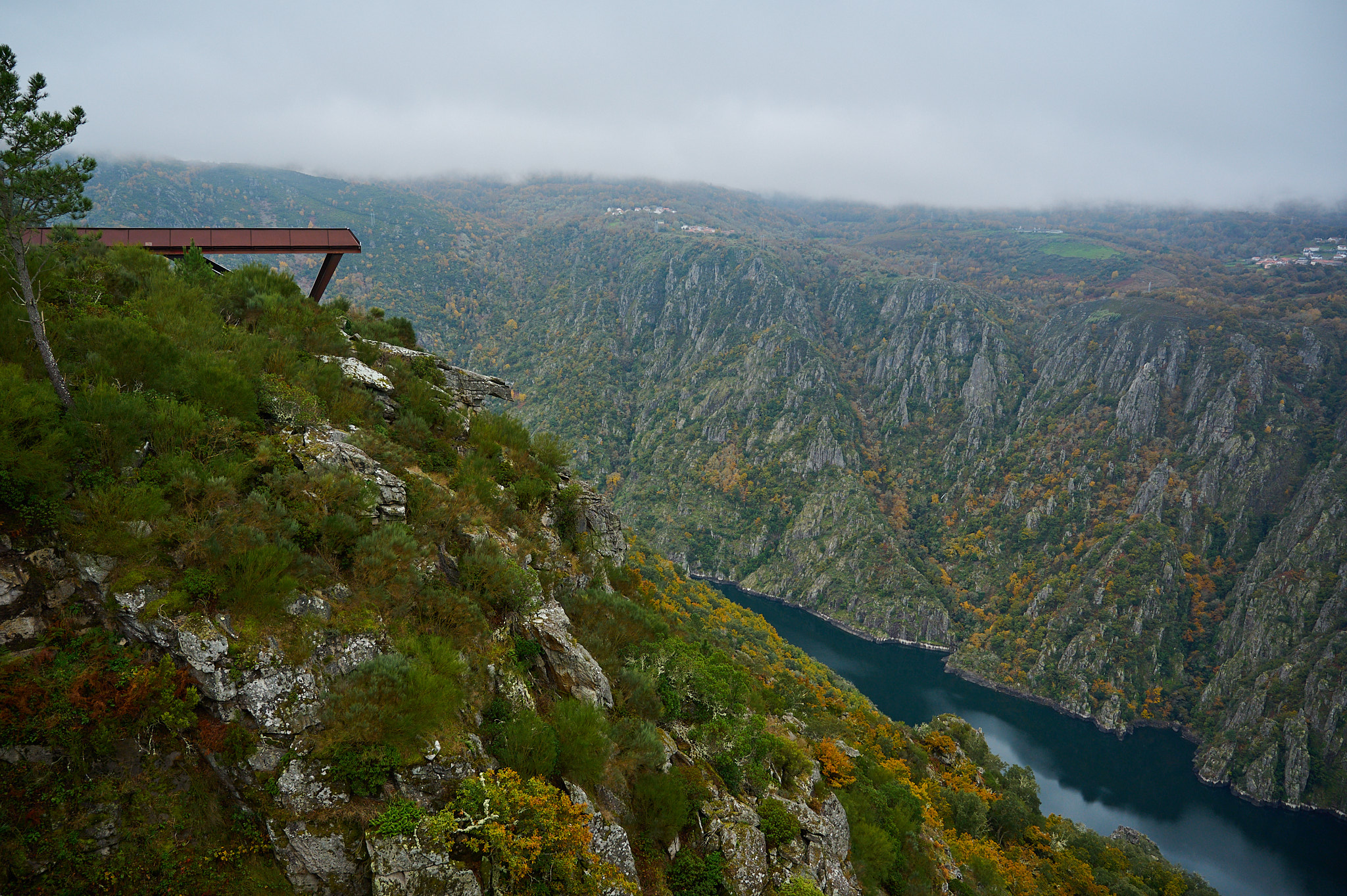
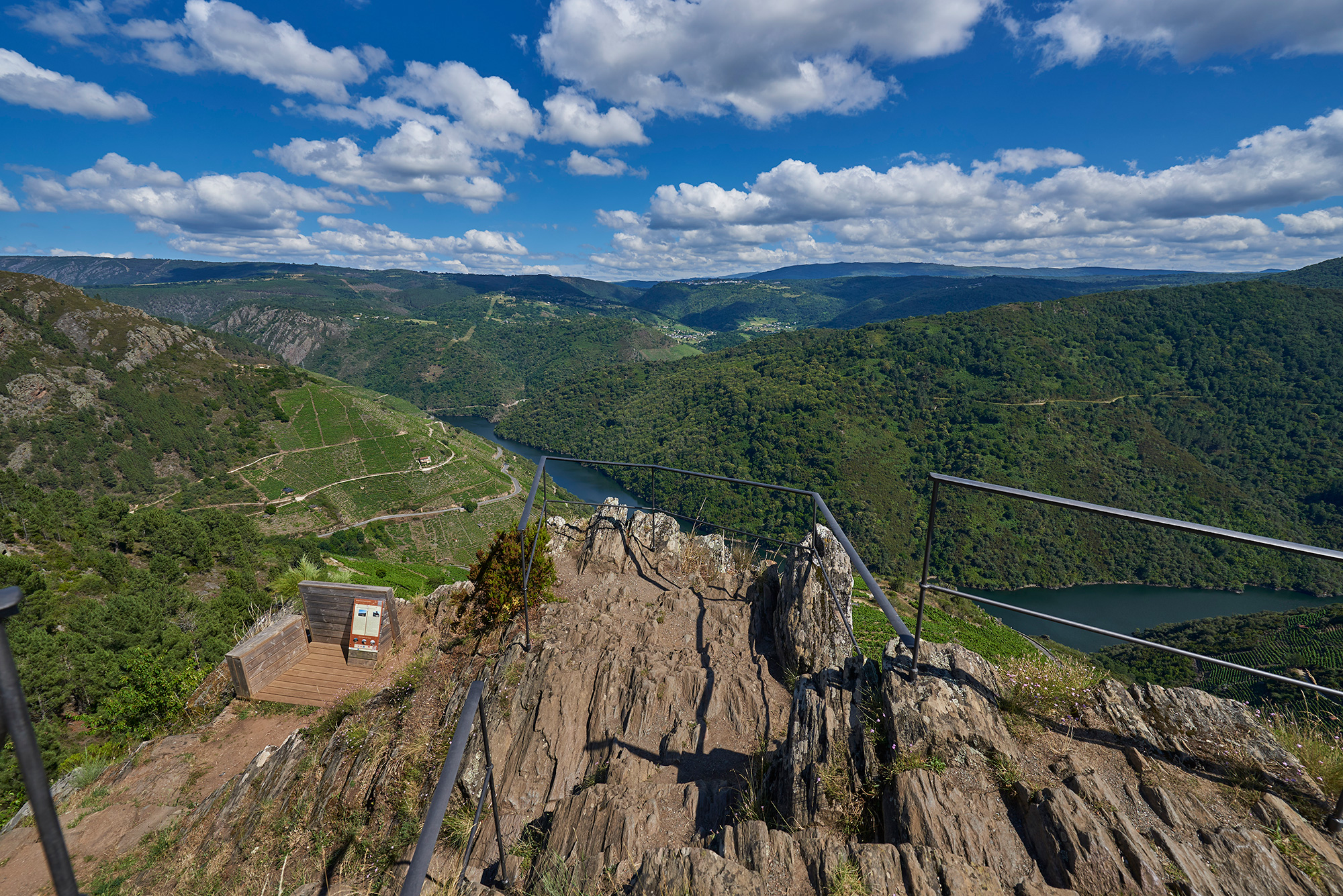
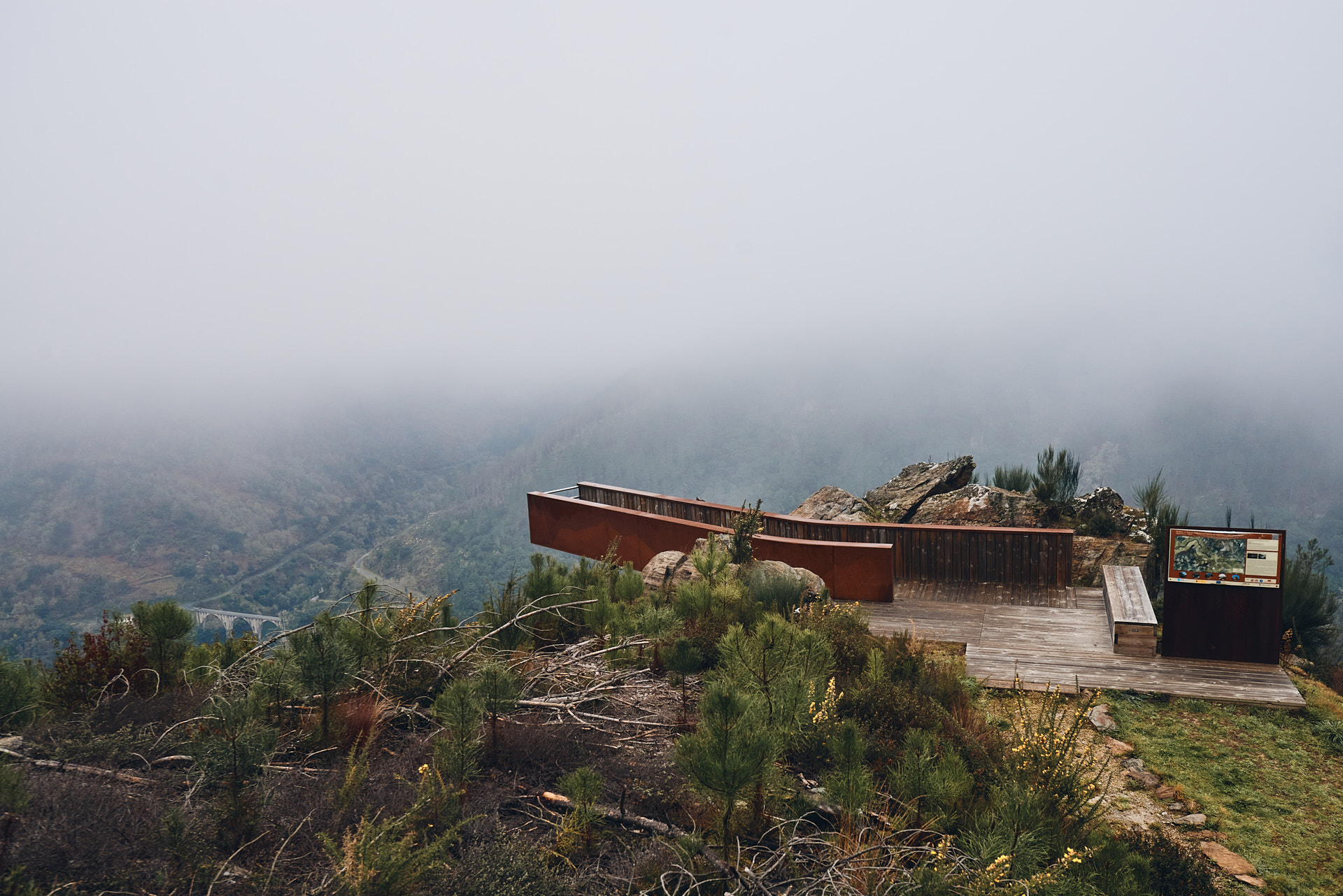
The Cividade Viewpoint sits over 500 m above the river, offering spectacular views of the Cerreda area on the Ourense bank. It features a metal walkway designed by landscape architect Isabel Aguirre that extends out over the Sil Canyon to provide a more thrilling experience.

If you visit during the rainy season, you can witness numerous waterfalls feeding the Sil in a truly magnificent display. There is also a small picnic area on-site to sit and enjoy the scenery at a more relaxed pace.

BOQUEIRIÑO VIEWPOINT

Location: Bolmente.
N 42.402506 / W -7.5998128,836 

Description: This viewpoint is located directly opposite the Monastery of Santa Cristina de Ribas de Sil in the Parada de Sil in the Province of Ourense. In addition to panoramic views of the monastery and the woodland that surround it, visitors can enjoy an excellent view of a long stretch of the canyon and its sheer rock faces.

Located 3 km from Cividade, the Boqueiriño viewpoint (historically known as Cotarro I) features a balcony platform at the end of a short uphill track. It can be reached from Cividade via an unpaved path, or from Bolmente via a paved country road.

Facing the Monastery of Santa Cristina de Ribas de Sil, the viewpoint highlights the dramatic, secluded locations chosen for these historic retreats. Visitors can enjoy panoramic views of the monastery, the dense chestnut forests, and the steep cliffs of the Sil Canyon.

The trail connecting the Cividade and Boqueiriño viewpoints is ideal for trekking and nature spotting. Additionally, a bird hide located at the end of a path very close to the site, offering an excellent vantage point for local wildlife.

SANTIORXO VIEWPOINT

Location: Santiorxo
N 42º 24’ 28” / W 7º 34’ 3”

Situated on Mount Santiorxo, within the parish of the same name, this viewpoint overlooking the Canyon has been fully restored and enhanced in recent years.

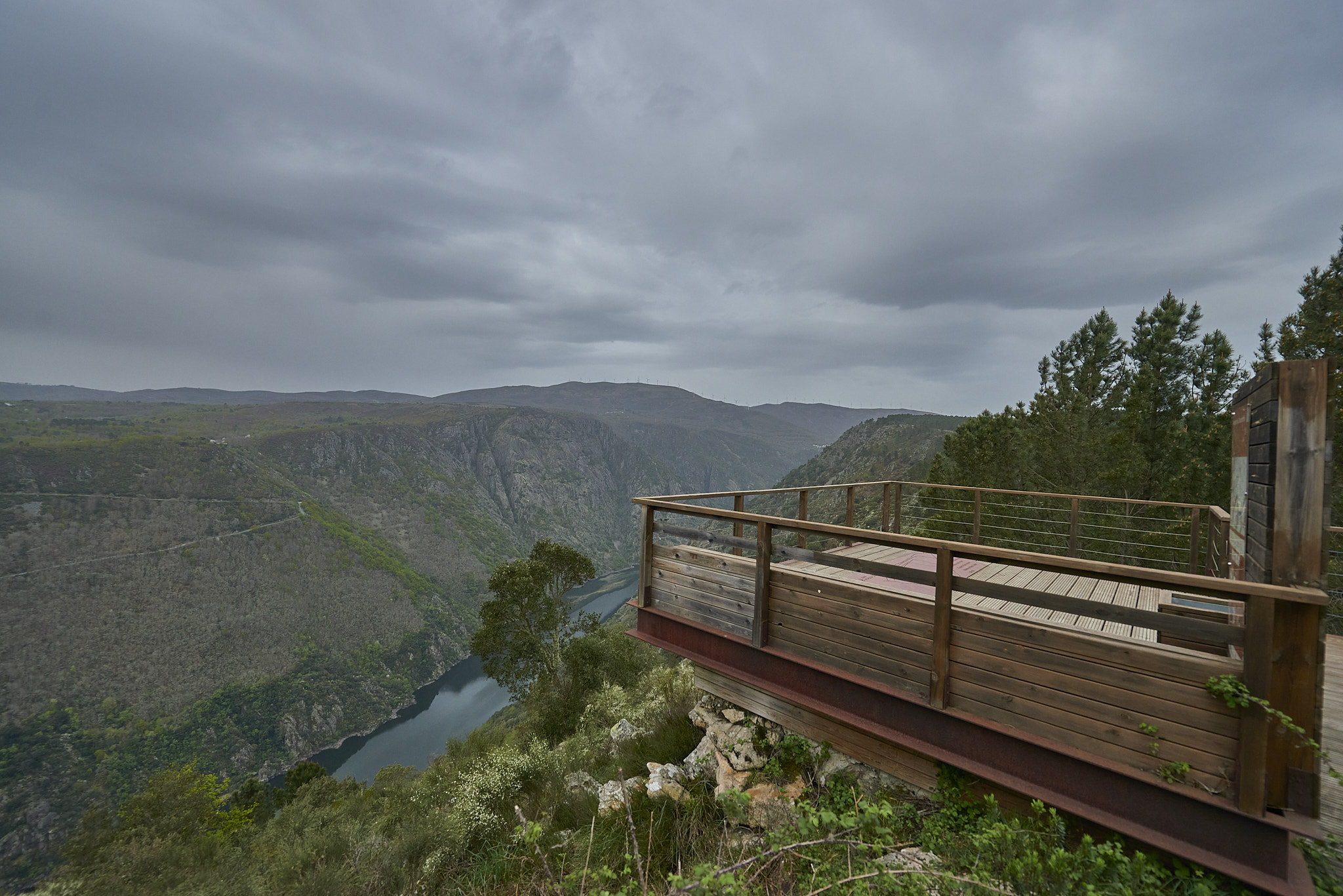
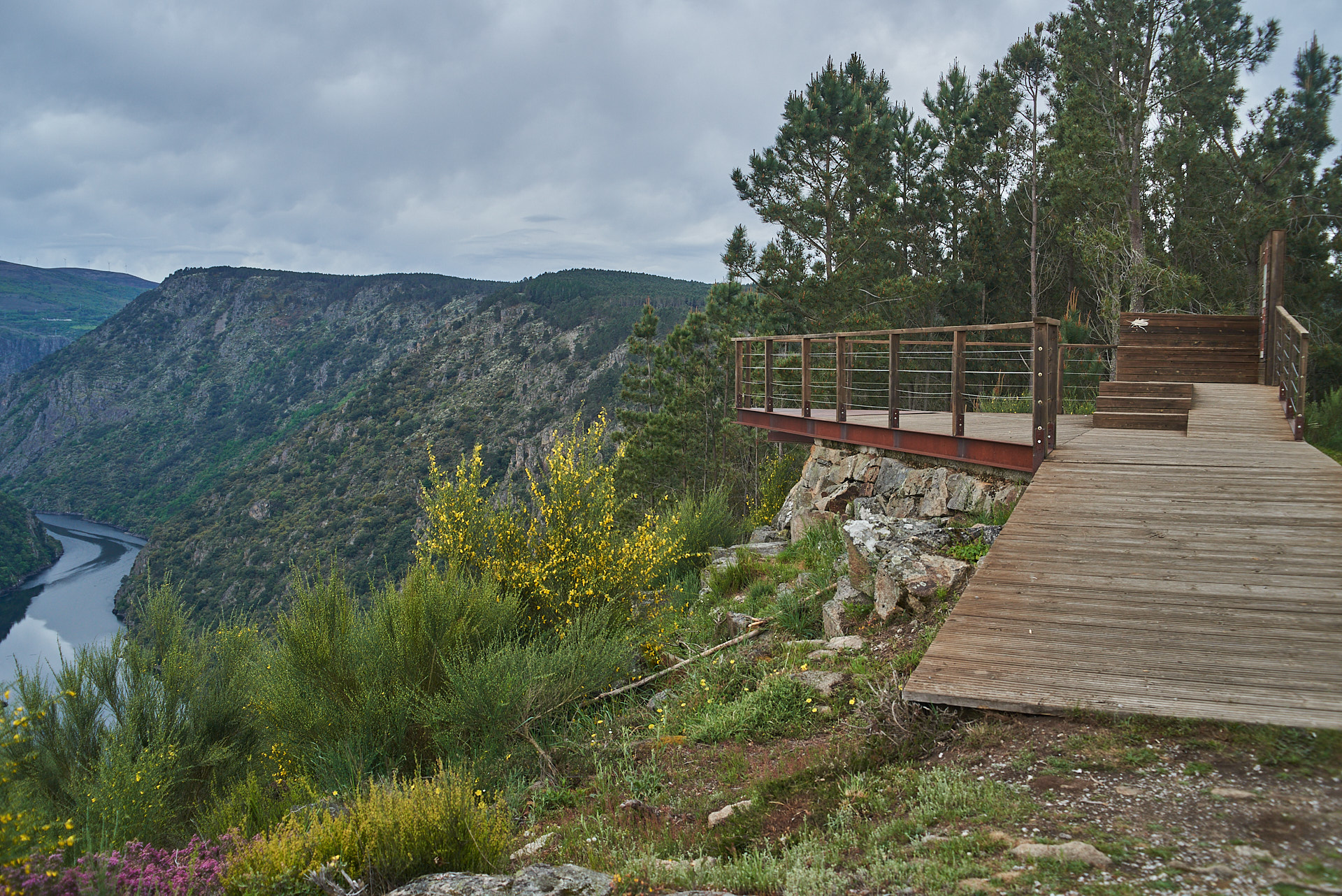
From its timber walkway, visitors can enjoy sweeping panoramas of the Santa Cristina de Ribas de Sil area and the nearby Balcones de Madrid. Beyond the dramatic canyon scenery, the site is nestled within a charming, wooded area equipped with benches, providing a peaceful spot to relax and take in the natural beauty of the landscape.

CADEIRAS VIEWPOINT

Location: Pinol
N 42º 23′ 51.6″ / W – 7º 33′ 18.8″ 

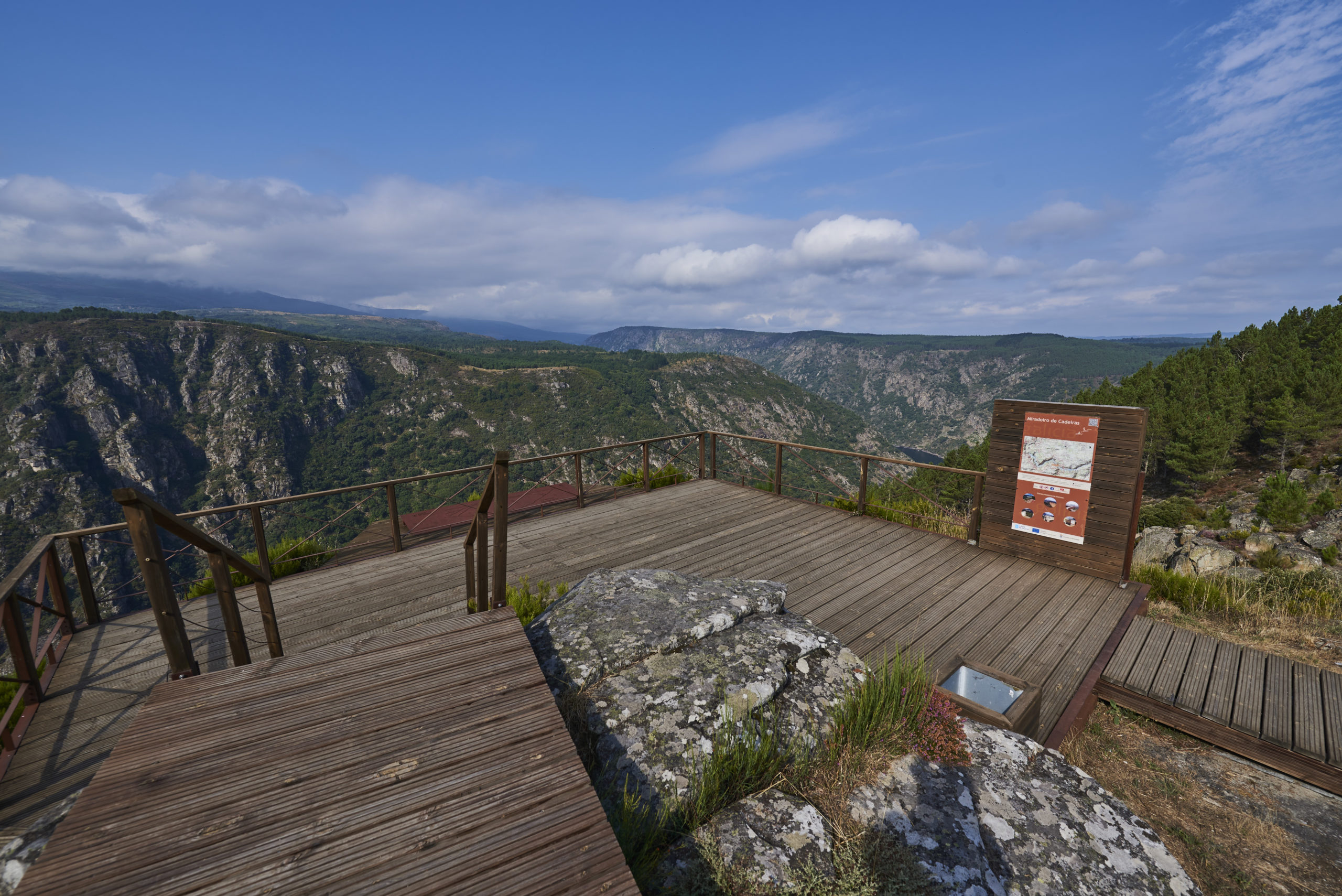
Located in the parish of Pinol, this viewpoint offers magnificent panoramic vistas of the sheer cliffs of Parada de Sil and the Castro Caldelas valley. It sits right by the Sanctuary of Cadeiras, which is nestled within an inviting recreational area shaded by an ancient oak grove and conveniently served by a local restaurant.

From this vantage point, you can look directly across the river to the famous Balcones de Madrid viewpoint on the Ourense bank, offering a perfect perspective of one of the Canyon’s most iconic spots.

OS CHELOS VIEWPOINT

Location: Amandi
N 42º 23′ 22.2″  / W – 7º 31′ 04.5″ 

From this vantage point, we can appreciate one of the few sections of the Sil Canyon where both banks share a similar landscape. It offers a clear view of the Meixide hydroelectric plant (Ourense), as the canyon’s steep slopes begin to level out to accommodate the renowned Ribeira Sacra vineyards.

Situated in the heart of the Amandi wine region, the viewpoint reveals a hidden history: during periods of low water, original terraces submerged by the reservoir remain preserved and visible beneath the surface.

The access road leads you past the gates of one of the sub-zone’s largest wineries. Once at the viewpoint, look across the river to find the confluence of the River Mao and the River Sil.

PENA DO CASTELO VIEWPOINT

Localización: Doade.
42º 24′ 45.31” N -7º 28′ 3.80” W

Access is via a narrow 1.5 km dirt track starting from Francos de Doade. We highly recommend walking this stretch to fully immerse yourself in the beauty of the local woodland.

The route begins at the Valguaire chestnut grove, home to ancient, centuries-old trees, and culminates at the viewpoint where the charming Chapel of San Mauro (San Amaro) stands. Once the site of an iron-age hillfort, it offers sweeping views over the Amandi vineyards and the Regina Viarum winery on the Lugo side, with the village of Castro Caldelas and the River Sil visible across the Ourense bank.

As the welcome sign tells visitors: ‘Pena do Castelo points proudly to the sky, inviting the wanderer to discover a grand horizon of peaks sculpted by nature. This magical place preserves the traces of hillfort dwellers, mingled with those of the devotees who flocked to the San Mauro hermitage before it vanished in the 19th century.’

Following a faithful reconstruction in 2004, the hermitage once again stands impressively above the terraces, blending seamlessly into the landscape. Inside, the chapel houses a stone image of the saint. Outside, the sheer scale of nature and the “heroic viticulture” bear witness to the incredible human effort required to cultivate these steep, vine-covered terraced slopes.

SOUTOCHAO VIEWPOINT

Location: Doade
N 42.4090536  / W – 7.4746502,1672

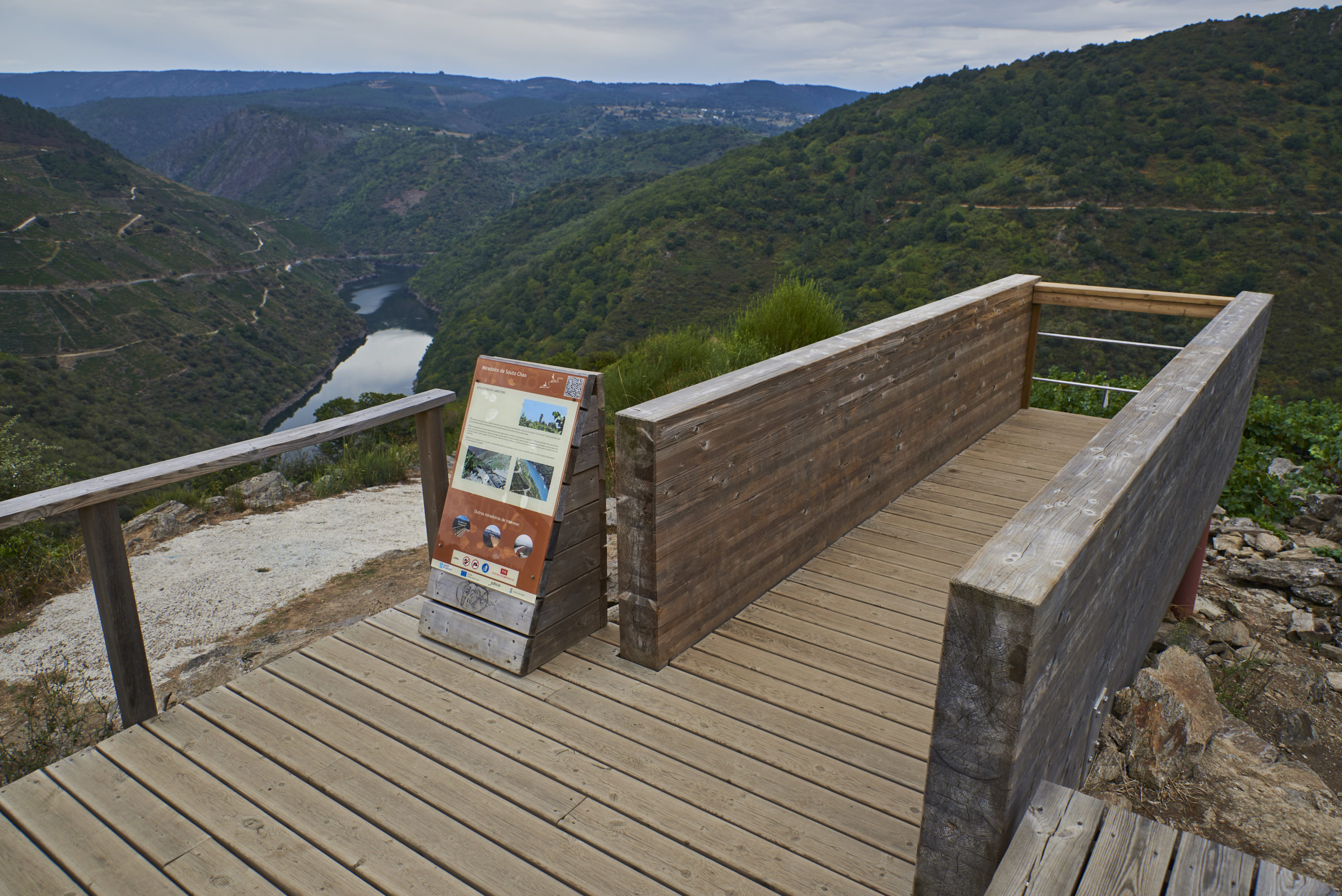
Situated in the heart of the Doade vineyards, this lookout lies on the road connecting Doade (Lugo) and Castro Caldelas (Ourense). The site is well-equipped with a car park and is also known as the ‘Harvester’s Viewpoint’.

This name comes from the large granite sculpture of a carreteiro, a worker carrying a traditional basket of grapes upon his head. The monument pays tribute to the “heroic viticulture” and the sheer physical effort required to produce these renowned wines.

Today, you can see the metal rails installed on the dizzying slopes to assist with the arduous task of cultivation and harvesting. This is one of Galicia’s most unique landscapes, where vines cling to steep inclines all the way down to the water’s edge. Dotted among them are small stone huts once used as cellars or wine presses. While beautiful year-round, a visit is particularly recommended in autumn, when the changing colours of the vine leaves create a stunning tapestry of hues.

Nearby, you can spot the rocky peak where the final viewpoint of the Sober network, Pena do Castelo, stands out.

close-link
close-link