In Sober, we take pride in one of the Iberian Peninsula’s oldest pottery traditions: Gundivós pottery.
“Passing through Gundivós
the first thing meets the eye
are the pots out to dry
and the kilns alight.”
Nowadays, the excellent craftsmanship of Gundivós pottery is preserved by the hands of the artisans Otilia Arias, Tomás López at Figulus and Elías González at the Rectoral de Gundivós.
Gundivós’ ancient pottery craft is intrinsically linked to the ancestral heroic viticulture of the Amandi sub-region. During Roman times, the celebrated wine of this area was transported in amphorae crafted by Sober’s potters. For these reasons, Gundivós pottery is considered one of the oldest not only in the Iberian Peninsula, but also across Europe.
This pottery tradition stands out for its quality and prestige, as it is a fully handcrafted labour intimately tied to the wine-making heritage that defines the local identity. However, the arrival of more durable and cheaper materials, such as plastic and glass, posed a serious threat to the survival of this trade in the mid-20th-century, a situation worsened by the mass emigration of the local population.
Thanks to a few dedicated potters who cherished the tradition and this incredible heritage this craft survived by focusing on pieces intended for use in the kitchen, the wine cellar, or traditional butchering. Other distinctive handcrafted items were the rooftop-finials, regarded as fertility symbols.
There is no doubt that when the wine is tasted from Gundivós bowls or cups and liqueurs served in clay chopos simply tastes better! The reason is simple: these handcrafted pieces have the unique power to enhance the qualities of the products they contain, from drinks to honey. The remarkable artisanal techniques used in their creation aimed to preserve and bring out the very best in both liquids and foods.
Its location at the very heart of heroic viticulture, and the availability of clay deposits found in neighbouring parishes made this pottery become a point of reference throughout the Ribeira Sacra.
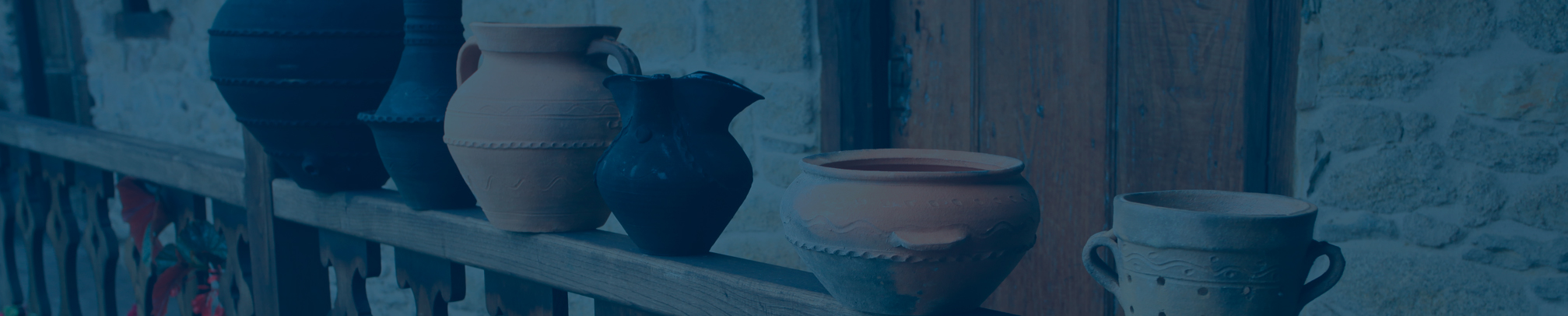
Since ancient times, Gundivós has provided earthenware for daily household use and for wineries across the region. Key items include bowls, jugs, decanters, as well as the famous honey pots indispensable for beekeeping, an activity that remains very much alive in the area.
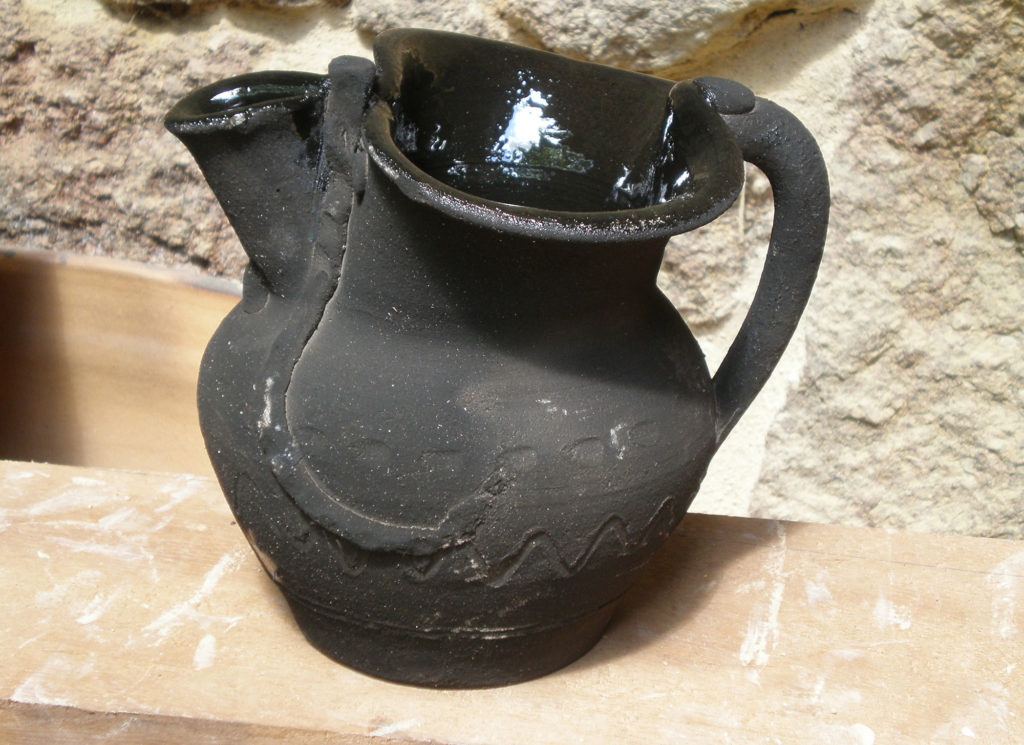
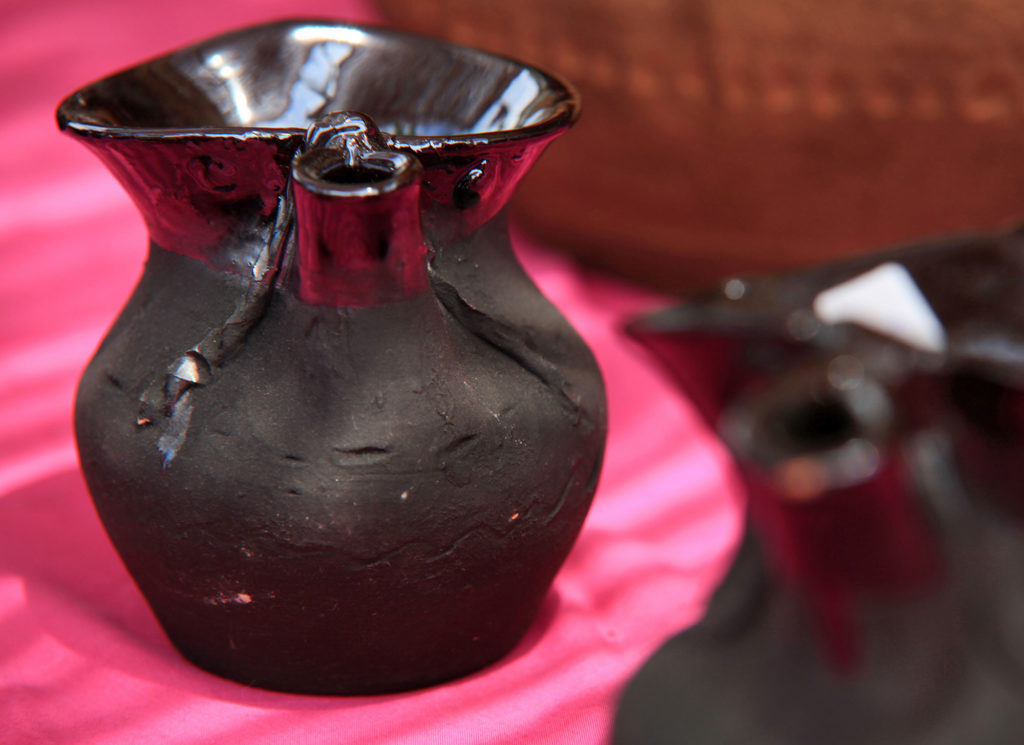
This ancient art ensures that each piece with its unique pre-Roman style shape perfectly combine beauty and functionality, keeping foods and drinks in optimum condition. Today, this remains distinguished by the use of local clay and traditional wood-fired kilns fueled by branches of carqueixa, a local broom-like shrub. The pottery achieves its distinctive glossy black hue through a final smoking process carried out over a small fire of carqueixa branches. Then, while still hot, vessels intended for cold or lukewarm liquids are sealed with pitch resin, an age-old-technique used to waterproof them.
Time seems to stand still when stepping into the workshops of artisans Otilia Arias García and Tomás López González (Figulus, in Corvelle) and Elías González (Rectoral de Gundivós). Tomás is committed to preserving the living legacy of Gundivós craftmanship, a tradition that has endured and been passed down through countless generations. As the potter reminds us, this artisanal heritage has its origins in the Iron Age and is distinguished by its exceptional techniques.
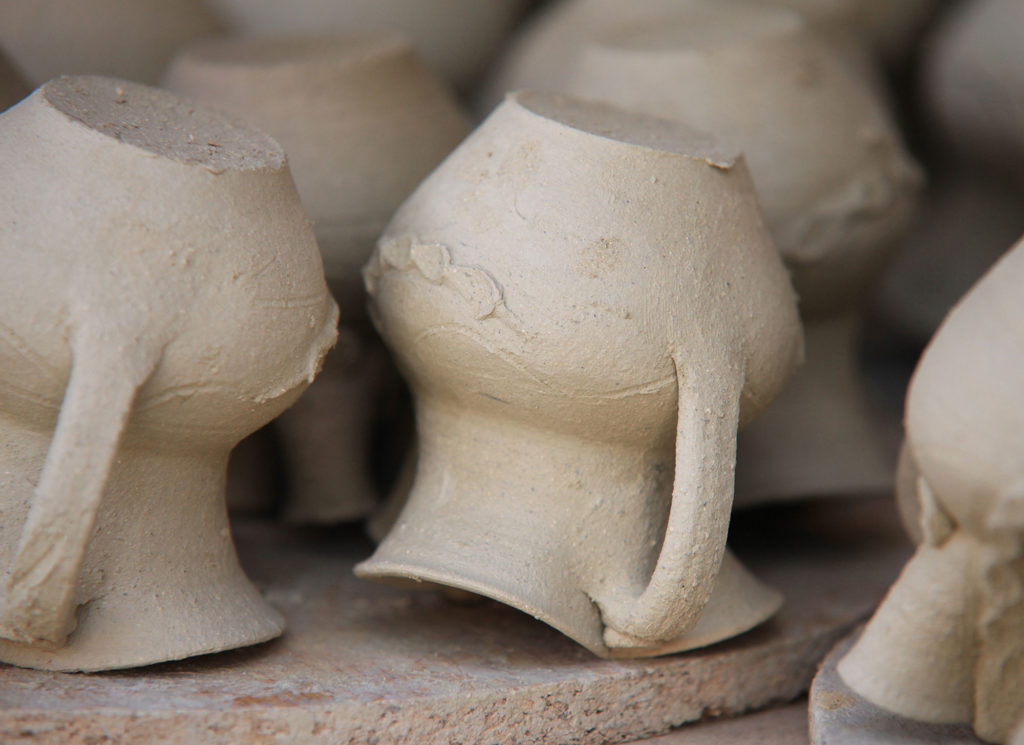
At the Figulus workshop, visitors can admire the meticulous care and attention taken to craft the strips of clay called cirillotes or churros, which form the base of each piece. The making of these strips, combined with the direct firing process and the pitch resin coating, define the special techniques used in this traditional pottery.
Visiting the Figulus workshop and its beautiful vineyards is a wonderful way to enjoy a premier enotourism and cultural experience. The workshop features a shop and offers guided tours, allowing guests to delve deep into the history and craftmanship of Gundivós pottery.
A visit to the Rectoral de Gundivós is an absolute must. This 18th-century former rectory houses its own pottery workshop, a small museum, and a shop. It offers guided tours where visitors can discover the charm of the pieces as they are shaped and lifted from the potter’s wheel. During the visit, you will learn about the history and unique traits of this craft, such as the use of a hand-turned wooden wheel and the wood-fire kiln process, followed by the traditional smoke-seasoning used to give each piece its final character.
Elías showcases his private collection of dozens of pieces, some over a century old. The star of the collection is the xarro, the traditional wine jug, alongside many everyday cooking pots knows as cacharreiros. The display includes specialised items such as meleiras (honey jars) and even an old-fashioned breast pump. Visitor will discover what a bigote on a xarro is, and the reason behind the sky-blue hue found on certain pieces. The tour also includes seeing an old lareira (a traditional Galician hearth) and a ceramic dovecote, where each pigeon cell was hand-crafted in clay by the village’s master potters.
The experience includes a partial demonstration of the xarro making process. Since kiln-firing is a lengthy process, Elías uses a previously fired piece to demonstrate the smoking technique that gives Gundivós pottery its characteristic black hue. The result of this meticulous craftsmanship is a collection of stunning, one-of-a-kind pieces renowned for their durability and elegant, polished black sheen.