- RELIGIOUS HERITAGE -

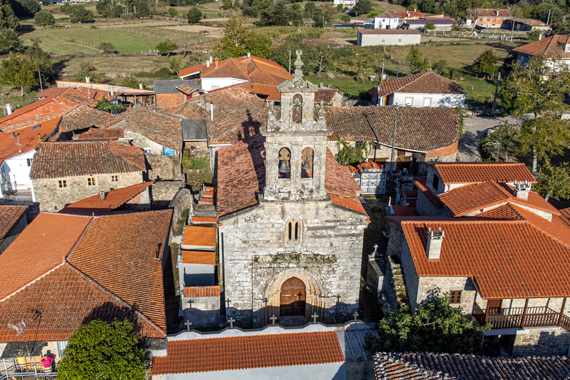
CHURCH OF SANTA MARÍA DE PROENDOS

In the 1970s, the parish priest discovered a series of frescoes in the presbytery, the side walls, and the vestry. These Renaissance murals were carefully restored in 2002.

The paintings depict the “Adoration of the Wise Men”, the “Flight into Egypt”, and the “Annunciation”, the latter located in the apse, the most prominent part of the sanctuary. Other notable works include the “Visitation”, “Saint Blaise’, and the “Adoration of the Shepherds”.

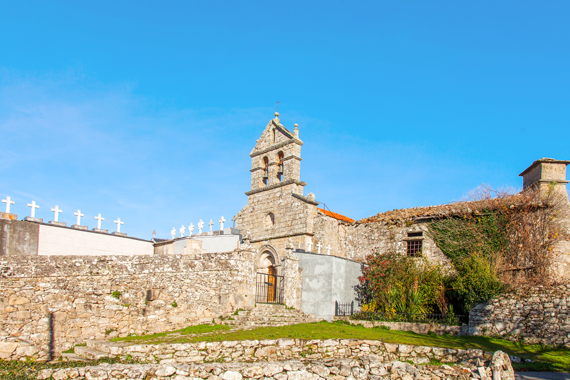
THE ROMANESQUE CHURCH OF SAN VICENTE DE PINOL

In 2020, after eight months of meticulous restoration, the church unveiled its recovered Renaissance murals.

Several paintings are of particular interest, such as “The Hermit’ and ‘Saint Christopher” as the protector of the people. This latter piece is exceptionally rare, featuring iconographic elements seldom found in other murals of the Hispano-Flemish style.

THE ROMANESQUE CHURCH OF SAN XILLAO DE LOBIOS

The restoration of this church, completed in 2020, was undertaken to protect its collection of Renaissance murals. The paintings had suffered significant decay due to dampness, prompting a full renovation of the roof and repairs to the walls and flooring to ensure their long-term preservation.

Together with the two previously mentioned sites, this church houses one of the most valuable artistic collections in Sober and the entire Ribeira Sacra.

During the restoration of the Lobios murals, a clear stylistic connection was noted with those in Nogueira de Miño (Chantada); both date back to the second half of the 16th century. Furthermore, a fragment of an older mural from the late 15th or early 16th century was discovered in Lobios. Similarly, the Pinol murals share stylistic traits with the church of Santa María de Mañón in Ortegal.

To celebrate the conservation of these three temples, local community groups published a comprehensive 256-page volume titled A pintura manierista en Sober. Produced in collaboration with the “Xermolos” cultural association, it features texts by historian Xosé Lois García and 82 illustrations by Fran Rodríguez Luaña. The book also includes a chapter on the Church of Santa María de Bolmente, which houses a small set of Renaissance paintings that remain in good condition.

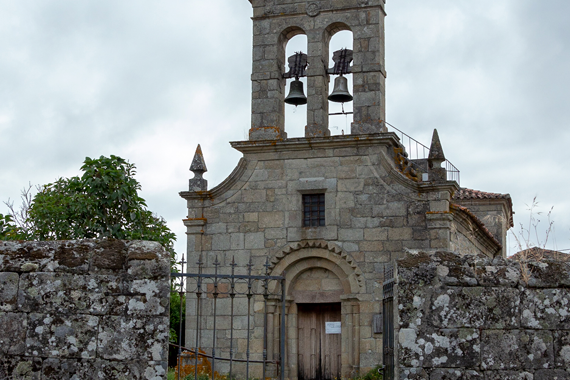
CHURCH OF SAN PEDRO DE CANAVAL (18th CENTURY)

The earliest record of its existence dates to 1115, when Munio Romariz donated the church to the Monastery of San Pedro de Valverde. Later, it was associated with the Knights Templar until the Order’s dissolution. Afterwards, it came under the ownership of the House of Lemos.

The building was restored in the 18th-century and both the nave and the apse are rectangular, with the sacristy attached to the northern side. Vestiges of the original Romanesque church are still visible inside and on the main façade. The western façade is intact and features and interesting doorway.

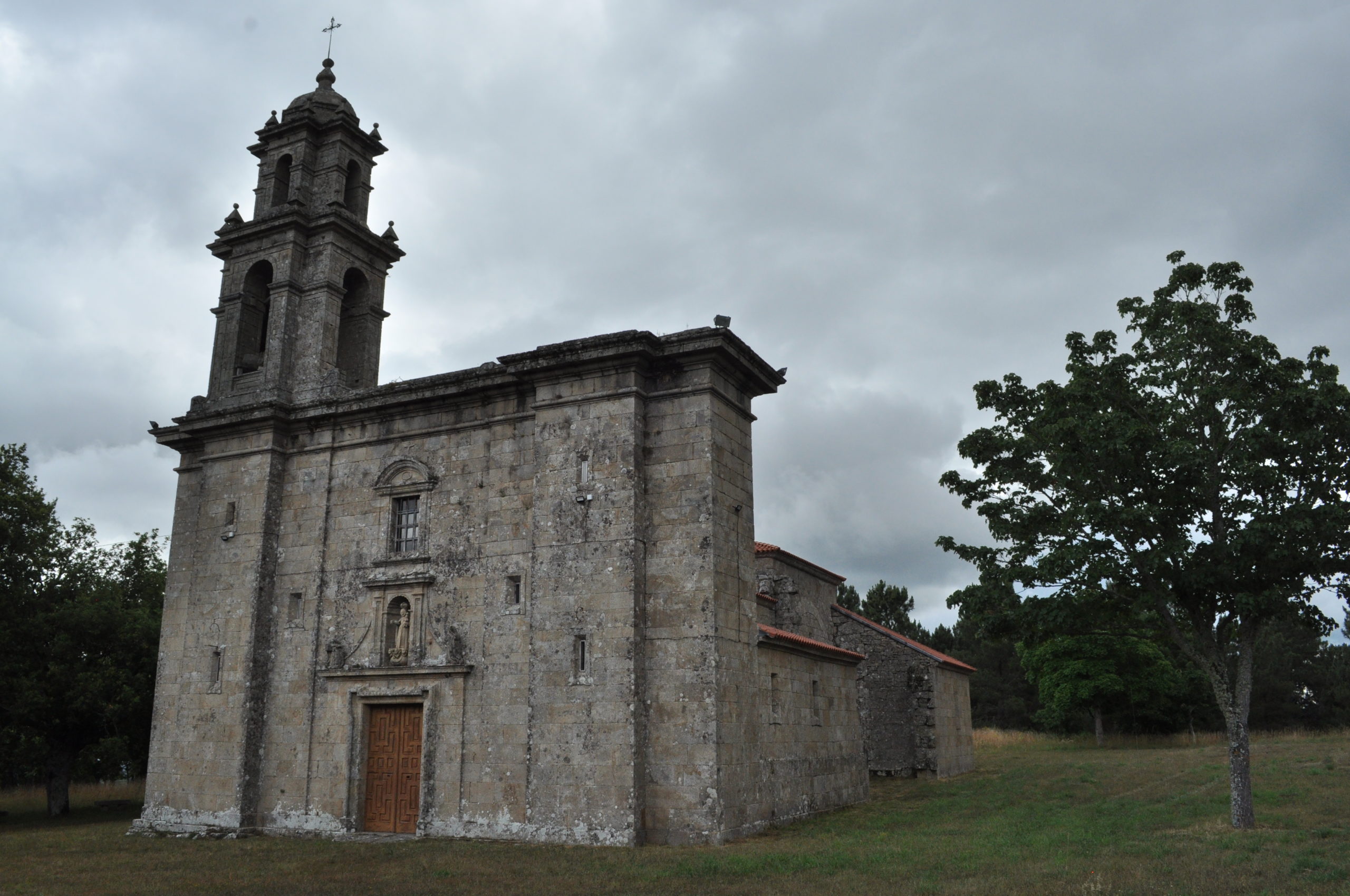
SANCTUARY OF OUR LADY OF CADEIRAS (17th CENTURY)

It is believed that this sanctuary was built upon an ancient pagan site of worship that preceded the Christianisation of these lands. The Sanctuary of Cadeiras dates from the 18th century, although its ambitious original building plan was unfinished, the church is fully operational, holding Mass every Sunday and on special occasions. It stands out as a pilgrimage destination for those devoted to the Virgin of Cadeiras and the miracles attributed to her.

close-link
close-link